
Healthy Teeth and Gums from the Inside Out
Since ancient times, Mother Nature has provided the healing power to care for your body, mind, and even your mouth. For thousands of years, Ayurveda has offered a wide range of natural remedies to cure tooth decay, prevent tooth cavities, relieve toothaches, reduce plaque buildup, and treat receding gums.
This article is written to empower you to take better care of your own teeth and gums and, as a result, have a healthier mouth with fewer dental problems.

My Natural Oral-Care Protocol
First thing in the morning, scrape your tongue with a tongue scraper or the back of a spoon to remove mucus, especially from the back of your tongue. The tongue should be pink and clean.
After each meal, follow these three steps:
1. Brush Gently with a Natural Tooth Powder
Very gently brush your teeth with a simple tooth powder, such as turmeric powder mixed with cinnamon powder and a small amount of neem powder. You can use turmeric alone, but many other substances may be used depending on the condition of your teeth and gums.
You can also use salt or add it in small amounts. Sea salt is a very effective way to clean your teeth when you do not have other options. Charcoal, on the other hand, works well during infections, even for a toothache.
Of course, do not use commercial brands, especially those containing fluoride, and do not use baking soda because it is too harsh.
There are many formulas for making tooth powder; however, mine is based on Ayurvedic principles and has been refined over the decades to be a great-tasting and effective daily tooth powder that can replace toothpaste permanently. See Khabir’s Tooth Powder for details.
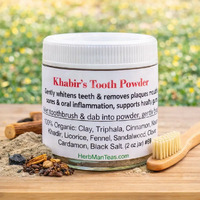
Khabir’s Tooth Powder
My Ayurvedic daily tooth powder is designed to gently clean the teeth, support the gums, and help remove plaque buildup.
View Tooth Powder2. Rinse and Gargle
After brushing, rinse your mouth thoroughly and gargle with a disinfecting formula made with filtered mineral water, including:
- 1 teaspoon of Himalayan salt
- A pinch of aluminum-free baking soda
- Approximately 10 drops of tea tree oil
- 3 drops of clove oil, optional
3. Practice Oil Pulling
After brushing and rinsing, practice oil pulling by taking approximately 1–2 teaspoons of sesame oil—not coconut oil—in your mouth. “Pull and push” the oil between your teeth for about five minutes before spitting it out.
Do not swallow the oil. You can also massage your gums if necessary.
For best results, clean your teeth and massage your gums between meals. Carefully scrape away any buildup of bacteria, food, or plaque around the gum line, both on the inside and outside of the teeth.
Why This Works So Well
Cinnamon and neem are very good for the gums.
- Sea salt is also good for the gums and cleanses the teeth well.
- Flossing and using a toothpick are essential because most decay and cavities happen between the teeth and along the gum line.
- Rinsing with baking soda alkalizes the mouth to help prevent bacterial growth, while tea tree oil and clove oil help prevent infection, even when you have a cavity.
- Oil pulling is very beneficial for the gums. Using coconut oil instead of sesame seed oil can further fight infection in cases of a cavity, gum disease, or tooth decay.
- Scraping or cleaning the tongue daily, especially before bedtime and again in the morning, removes bacterial buildup and mucus. This helps keep your mouth healthy, improves your breath, and reduces unhealthy bacterial buildup on your teeth.
This process can relieve pain from tooth decay, a cavity, or an abscess. Eventually, if you continue this process—especially by rinsing with tea tree oil and clove oil throughout the day—it can reduce pain and help prevent infection, avoiding the need for a filling in most cases.
However, you must diligently clean food out of the decayed area after every meal and keep rinsing with the salt formula to prevent infection when you have a cavity.
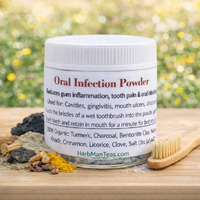
Oral Infection Powder
Reduces gum inflammation, tooth pain, and oral infections.
Used for: Cavities, gingivitis, mouth ulcers, and abscesses.
100% Organic & Tested: Turmeric, charcoal, bentonite clay, neem, khadir, cinnamon, licorice, clove, and salt. Available in a 2 oz jar.
View Oral Infection PowderIf you have an infection with noticeable inflammation and pain, you can apply a very small amount of clove oil to the infected area. You can also use more clove oil in the salt solution to numb the nerves. You can do the same for abscesses.
Additionally, if you have an infection, you should take garlic oil and/or oregano oil internally every day until the infection subsides. These extra measures must be continued for at least one month in the case of a serious infection or an abscess.
This is my own personal method, which I have used to avoid having my teeth drilled, filled, or removed. I am not a qualified or trained dentist, so you must make your own decisions. However, this Ayurveda-based procedure has worked for me.
Of course, your diet has a major impact on the condition of your teeth and gums, but that is another story. I recommend reading about the dietary recommendations of the famous natural dentist Weston A. Price for more details about eating for healthy teeth without cavities.
You can learn more at the Weston A. Price Foundation.
Additional Ways to Strengthen and Care for Your Teeth and Gums
Use herbs that are high in minerals, such as alfalfa, oat straw, marshmallow root, and others. These herbs strengthen the teeth and bones.
In addition, consuming raw dairy products and taking cod liver oil regularly can help prevent bone loss and support strong, cavity-resistant teeth.
For more than 1,000 years, people worldwide have used Arab chewing sticks, known as miswak, as an oral-hygiene aid.
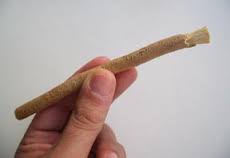
The miswak contains a large portion of gall, an anti-mildew substance and an antiseptic astringent that stops gum bleeding and strengthens the gums. Amazingly, the miswak contains natural minerals that kill microbes and germs and remove plaque.
Because of its healing properties, it prevents bacterial growth in the gums and therefore helps prevent tooth decay. I bet your toothbrush can do that!
The miswak stick is a gift from nature for our teeth because it heals the gums and cleanses the teeth without toothpaste. I use one daily, especially when I’m driving.

The articles, videos, and past recordings on this website form a historical educational archive of Khabir Southwick’s teaching. They are provided solely for educational and historical reference, especially to help readers learn about Ayurveda and other traditional approaches to health. They are not health advice, medical advice, diagnosis, treatment, or instructions for self-treatment.
The information may contain errors, omissions, or limitations, and Khabir Southwick remains open to correction as his understanding of Ayurveda continues to develop.
For individual health concerns, seek guidance from a qualified healthcare practitioner or doctor who can properly evaluate your personal circumstances.